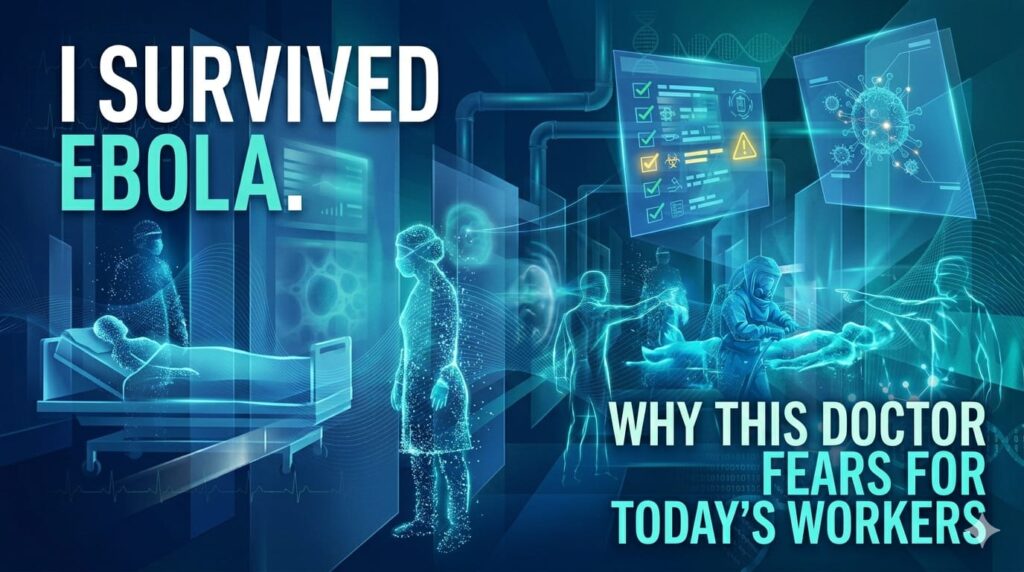

In 2014, Dr. Craig Spencer became the face of a terrifying medical reality. After returning to New York City from treating Ebola patients in West Africa with Doctors Without Borders, he tested positive for the deadly virus. He endured weeks of intensive isolation, experimental treatments, and a grueling physical battle at Bellevue.
Hospital before being declared virus-free. He survived. But today, his relief has turned into profound anxiety—not for himself, but for the healthcare workers currently stepping into the line of fire.

As new outbreaks of infectious diseases threaten global health so, Dr. Spencer is sounding the alarm: our frontline medical workers are under-protected, overwhelmed, and structurally vulnerable.
The Reality of Treating Ebola: A Razor-Thin Margin for Error
Treating Ebola isn’t like treating the flu, or even COVID-19 because It requires an agonizing level of precision. The virus is transmitted through direct contact with bodily fluids, meaning a single microscopic mistake can be fatal.
The margin for error is virtually zero. Yet, according to Spencer, the global medical community often fails to provide the rigorous training and structural support required to keep workers safe.
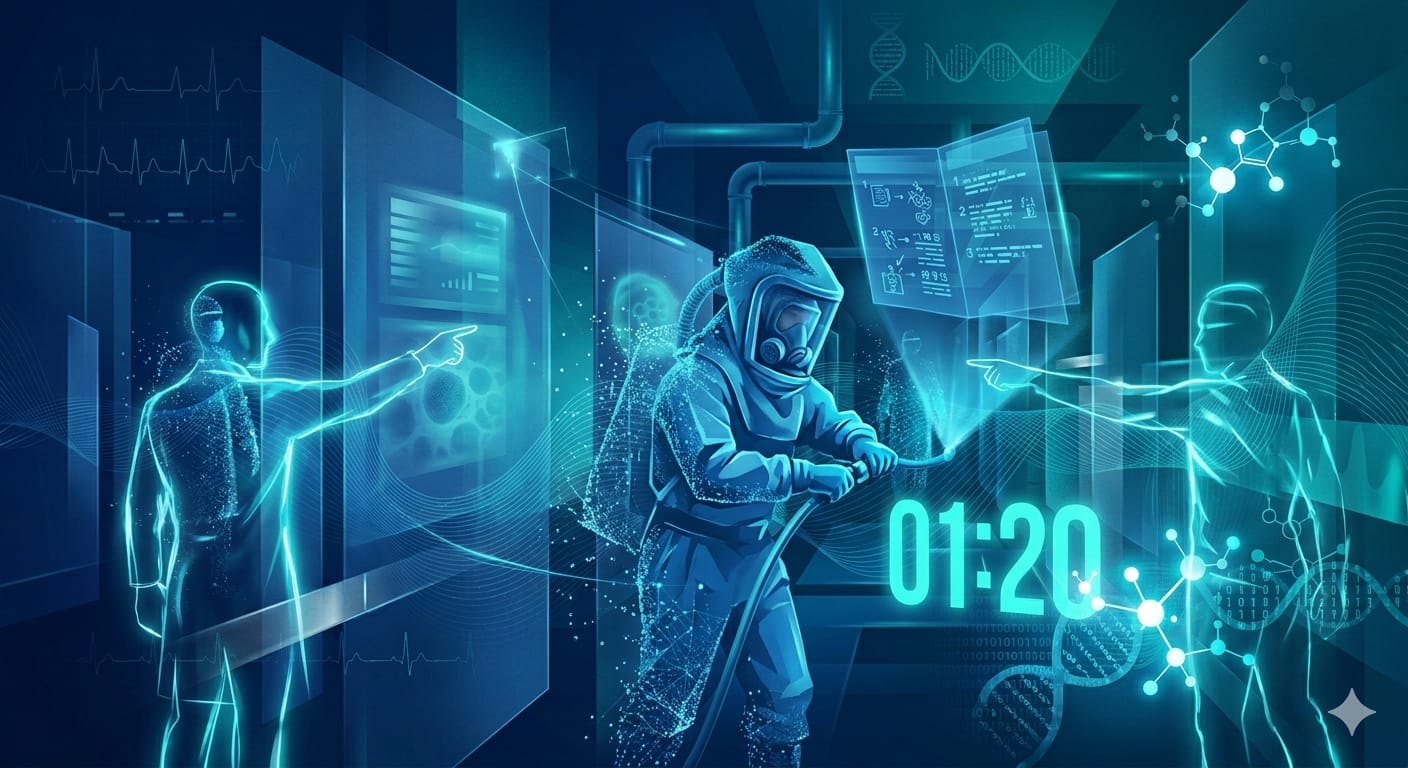
Why the Fear? The 3 Major Failings in Healthcare Safety
Dr. Spencer’s fears aren’t rooted in panic; they are rooted in systemic observation. He points to three critical gaps in how healthcare systems handle high-consequence pathogens:
Risk Factor – Inadequate Training ,Systemic Burnout ,Supply Chain Fragility .
It’s Not Just About the Gear; It’s About the Culture
One of the most poignant insights from Ebola survivors like Dr. Spencer is that gear alone cannot save a doctor. A culture of safety must surround them. In many medical institutions, admitting exhaustion or asking for a second pair of eyes to watch you take off your PPE is stigmatized as a sign of weakness. In an Ebola ward, that stigma is a death sentence.
Spencer emphasizes that we need a radical shift where “buddy systems” (where healthcare workers strictly monitor each other’s safety protocols) are mandatory, not optional.
The Bottom Line: Protecting the Protectors
When an outbreak hits, society relies on the bravery of doctors, nurses, and lab technicians. But Dr. Spencer’s warning reminds us that bravery is not a shield. If we do not invest heavily in institutional preparedness, rigorous hands-on training, and mental health support for our medical workforce, we are sending them into battle unarmed.
What do you think? Are our hospitals prepared for the next major outbreak? Let us know your thoughts in the comments below, and share this article to raise awareness for healthcare worker safety.