
Pancreatic cancer is often whispered about as the “silent killer.” Across the globe—from the United States to Europe and Asia—incidence rates are shifting. The primary challenge remains the same: in its early stages, the symptoms are so subtle they are frequently mistaken for common digestive issues.
However, in 2026, knowledge is more than just power—it is a survival tool. Today, we are diving into the red flags, the risk factors, and the cutting-edge breakthroughs that are changing the narrative for patients worldwide.
What Exactly is Pancreatic Cancer?
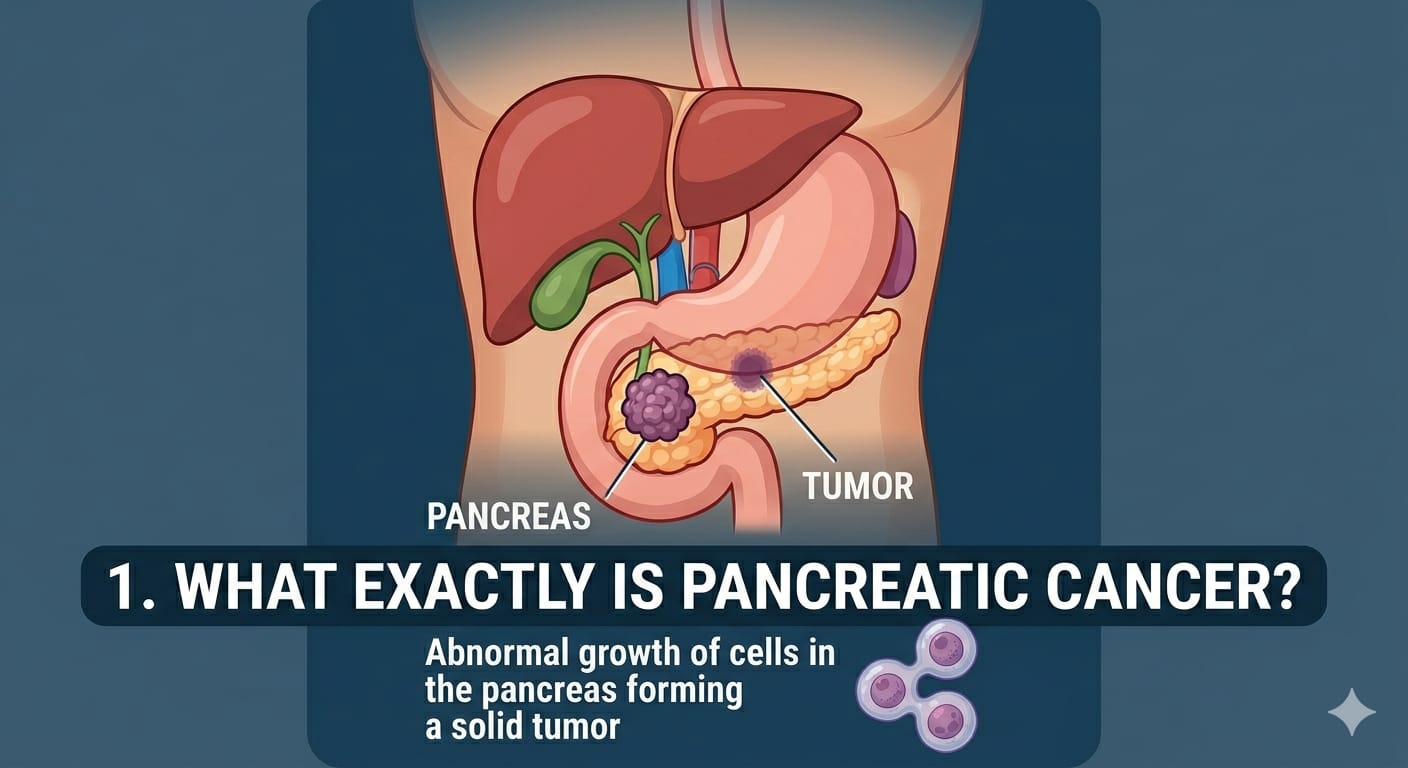
The pancreas is a small but mighty organ tucked behind the lower part of your stomach. It performs two vital “double-agent” roles:
Digestion: It produces enzymes that help break down food.
Blood Sugar Regulation: It releases insulin to manage glucose levels.
Pancreatic cancer begins when cells in this organ undergo genetic mutations, causing them to grow uncontrollably and form a tumor.
Red Flags: Symptoms You Should Never Ignore
Because the pancreas is deep within the body, tumors aren’t easily felt during a routine exam. Keep an eye out for these “stealth” signals :
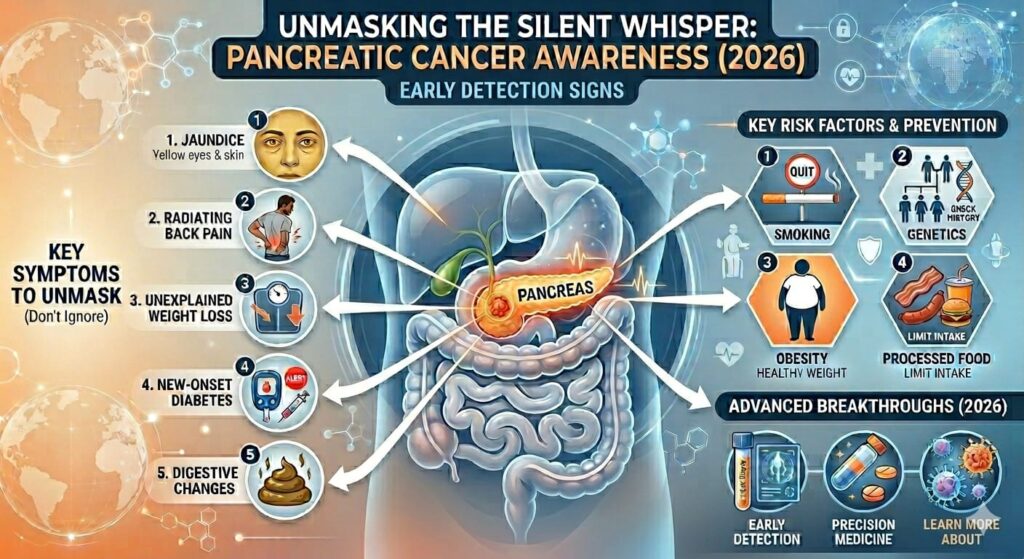
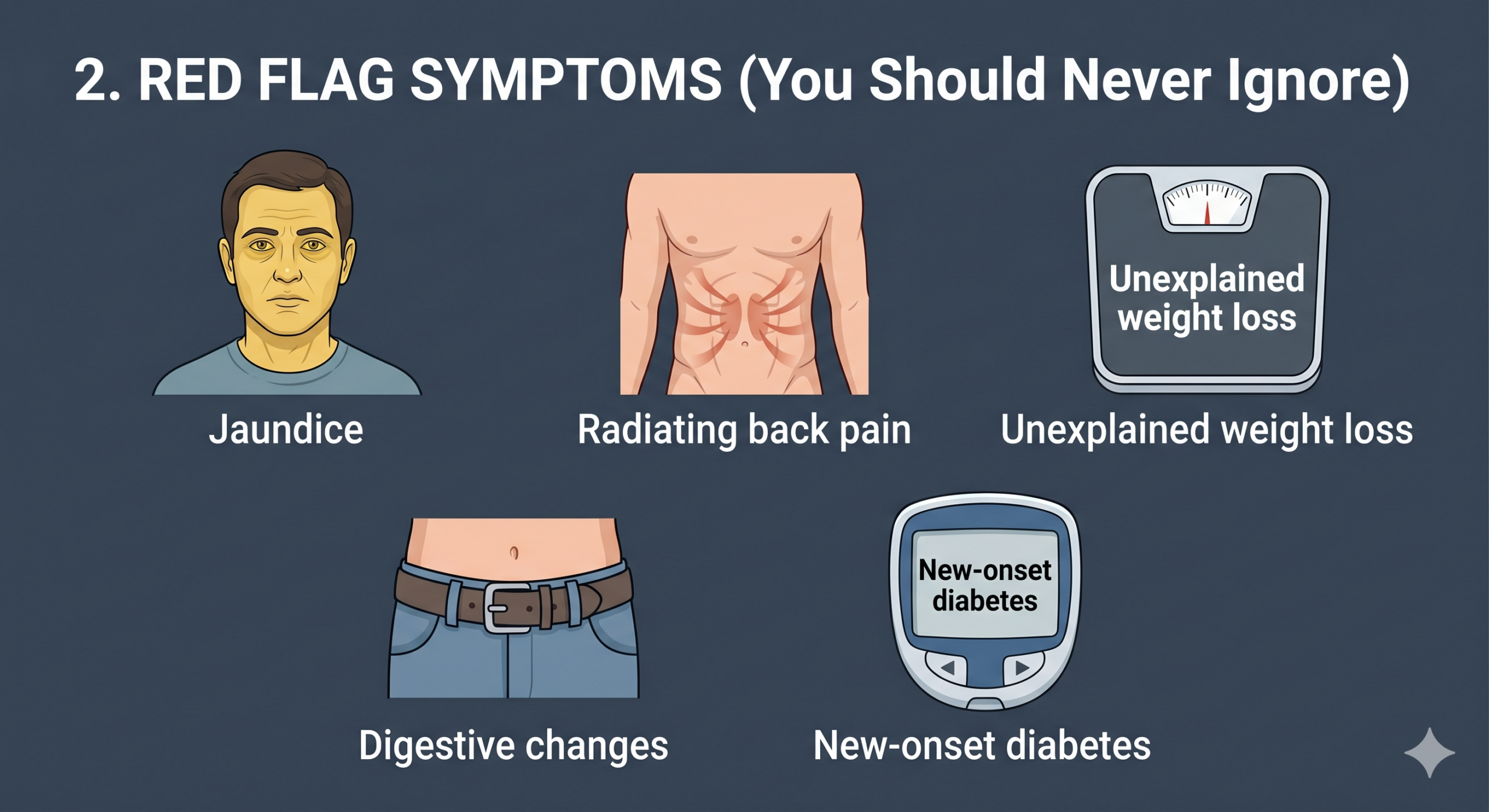
Jaundice: A yellowing of the eyes and skin, often the first clear sign.
Radiating Pain: A dull ache in the upper abdomen that “wraps around” to the mid-back.
Unexplained Weight Loss: Dropping pounds rapidly without changes to diet or exercise.
New-Onset Diabetes: If a healthy adult over 50 suddenly develops diabetes, it may be a warning sign.
Digestive Changes: Greasy or light-colored stools and persistent nausea.
Who is at Risk? (Risk Factors)
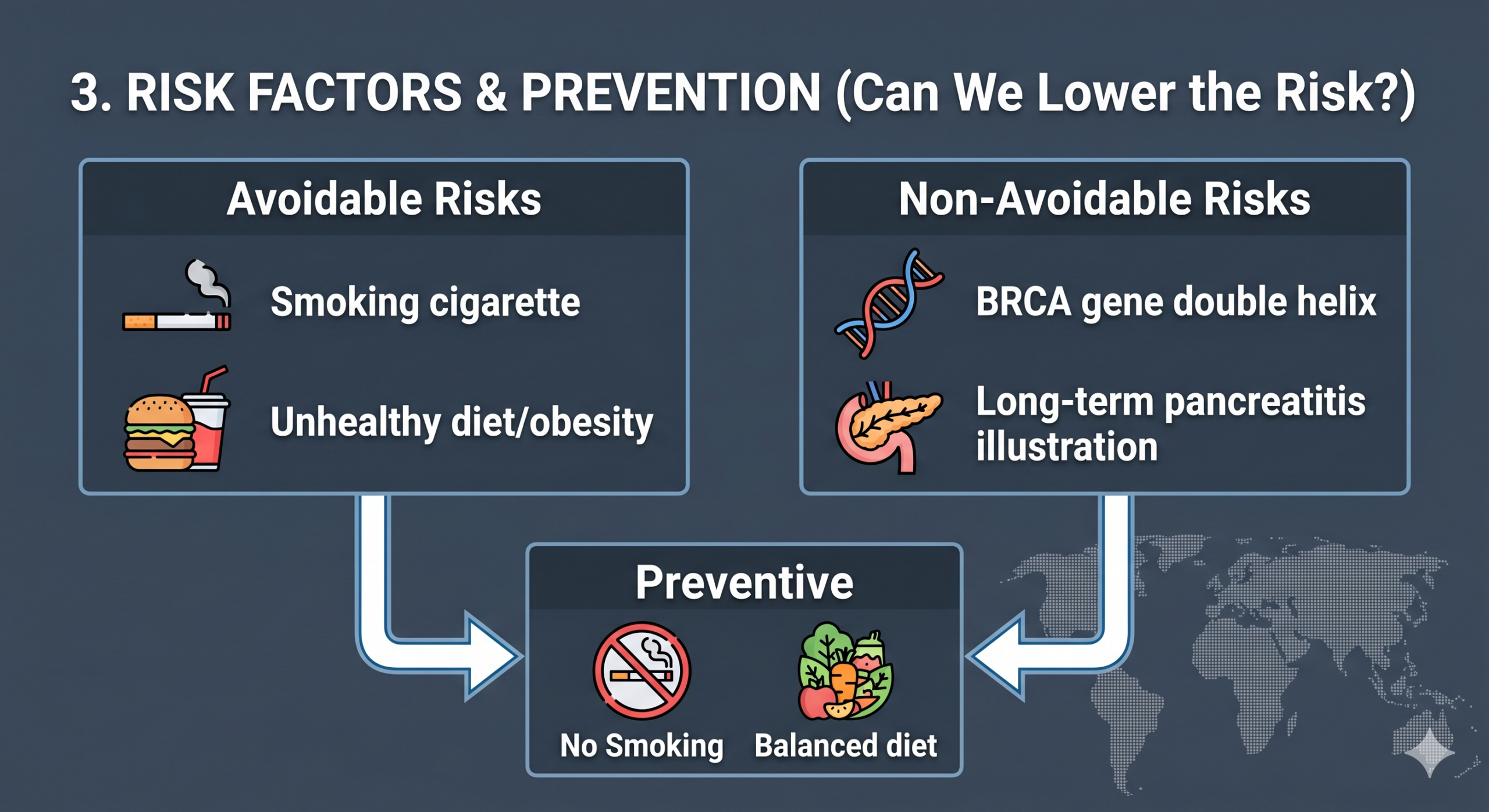
While anyone can develop pancreatic cancer, certain factors increase the probability :
Smoking: One of the most significant avoidable risks.
Genetics: A family history of pancreatic cancer or certain gene mutations (like BRCA2).
Chronic Inflammation: Long-term pancreatitis.
Lifestyle: Obesity and a diet heavy in processed meats and sedentary behavior.
Diagnosis & 2026 Treatment Breakthroughs
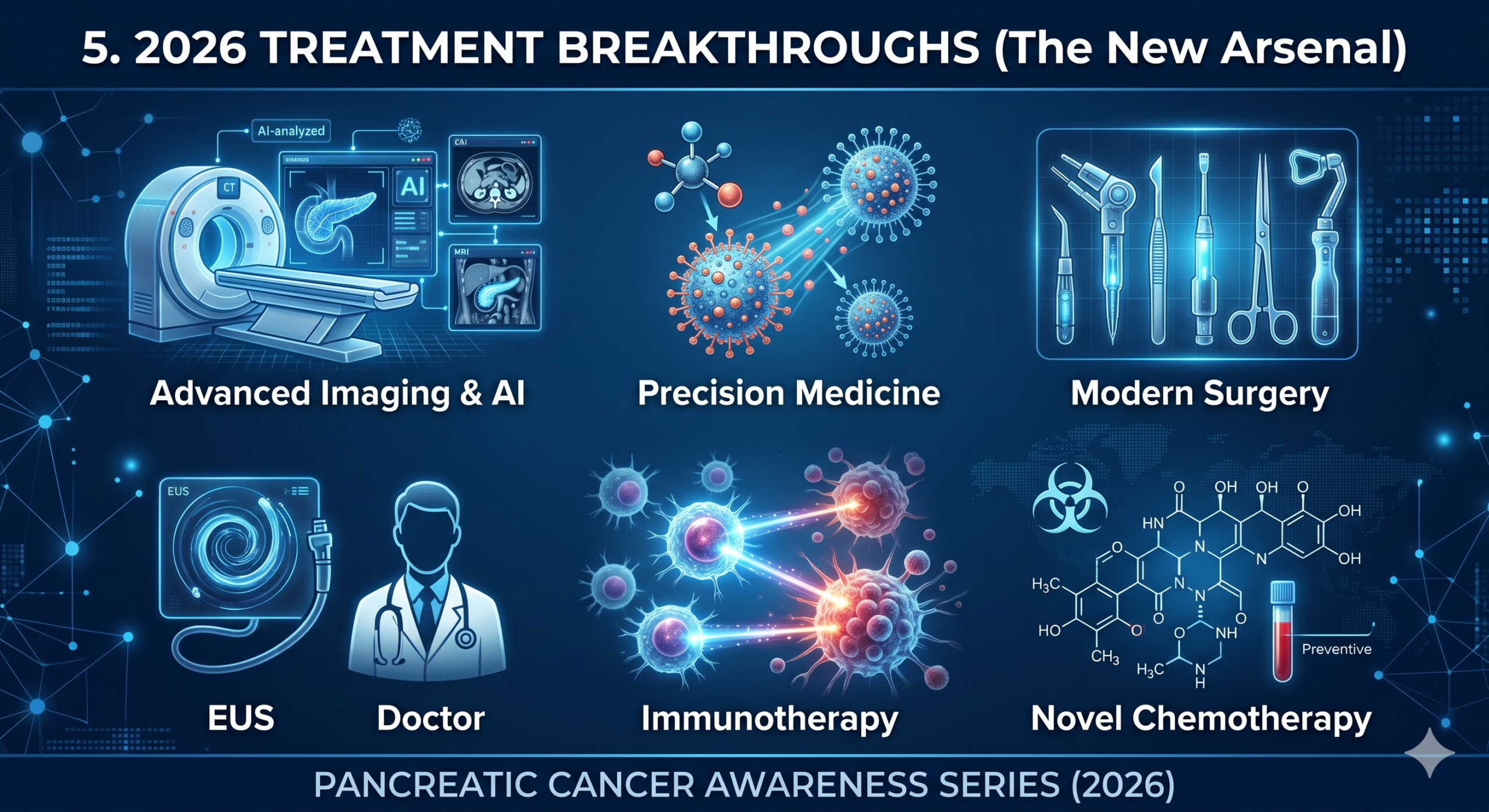
he medical landscape has evolved. We are moving away from “one-size-fits-all” treatments toward Precision Medicine.
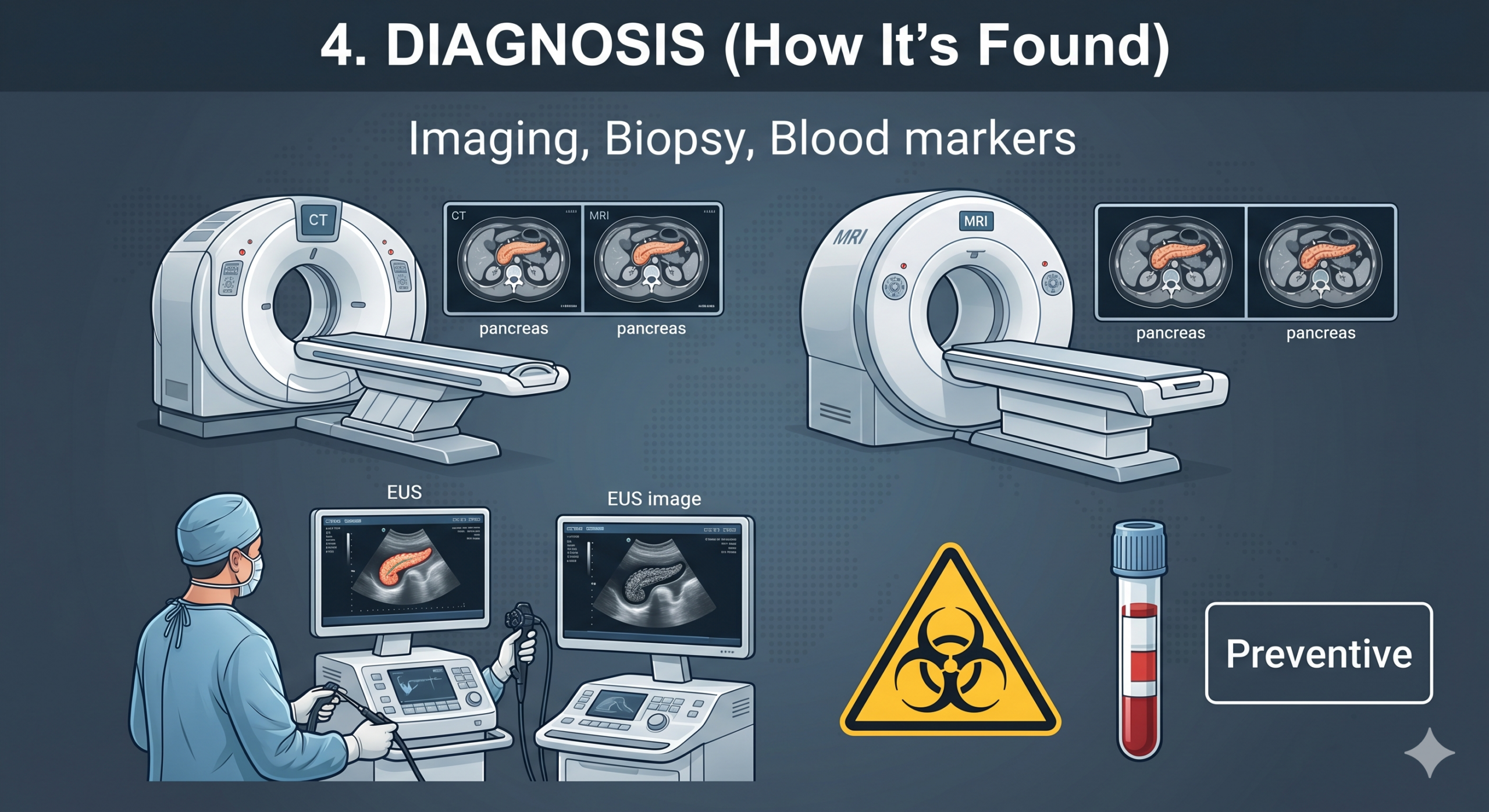
Early Detection: Scientists are perfecting Liquid Biopsies—blood tests that can detect cancer DNA before a tumor even shows up on a scan.
Advanced Imaging: High-resolution CT, MRI, and EUS (Endoscopic Ultrasound) provide 3D mapping of the organ.
Immunotherapy: Modern drugs are now training the body’s own immune system to recognize and destroy pancreatic cancer cells.
The Whipple Procedure: A complex but life-saving surgery for tumors that haven’t yet spread.
Prevention: Can We Lower the Risk?
While you cannot control your DNA, you can control your environment:
Quit Tobacco: This remains the single most effective way to lower your risk.
Maintain a Healthy Weight: Focus on a plant-forward diet rich in antioxidants.
Limit Alcohol: Chronic alcohol use leads to pancreatitis, a major precursor to cancer.