

Introduction
Imagine a world where your doctor can test a new medication or a complex surgery on a “virtual version” of you before ever touching a scalpel or writing a prescription. This isn’t science fiction—it’s the reality of Digital Twins in Clinical Practice. As of May 2026, this technology is moving from engineering labs straight into hospitals, marking the beginning of Personalized Medicine 2.0.
What exactly is a “Digital Twin” in Healthcare?
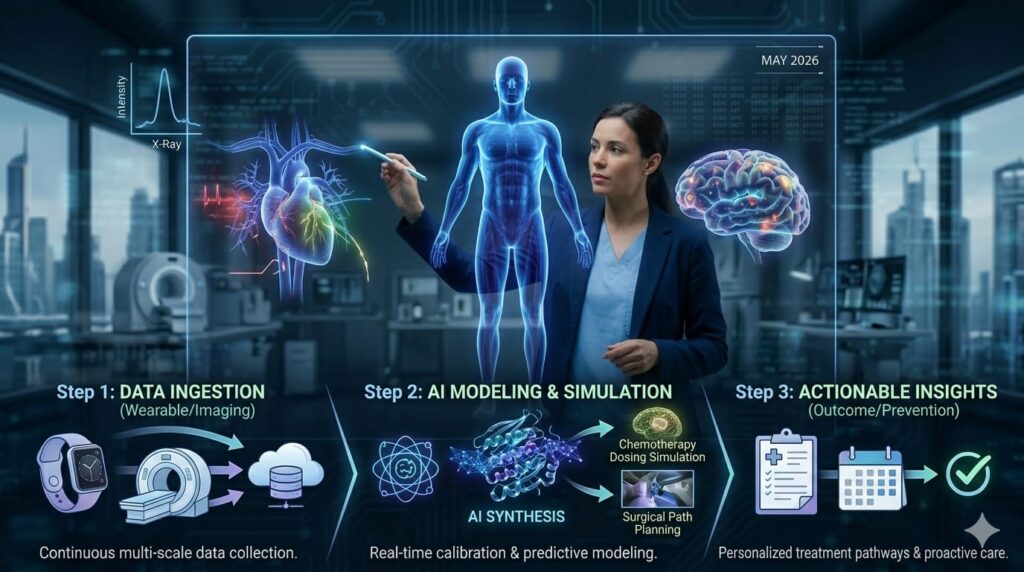
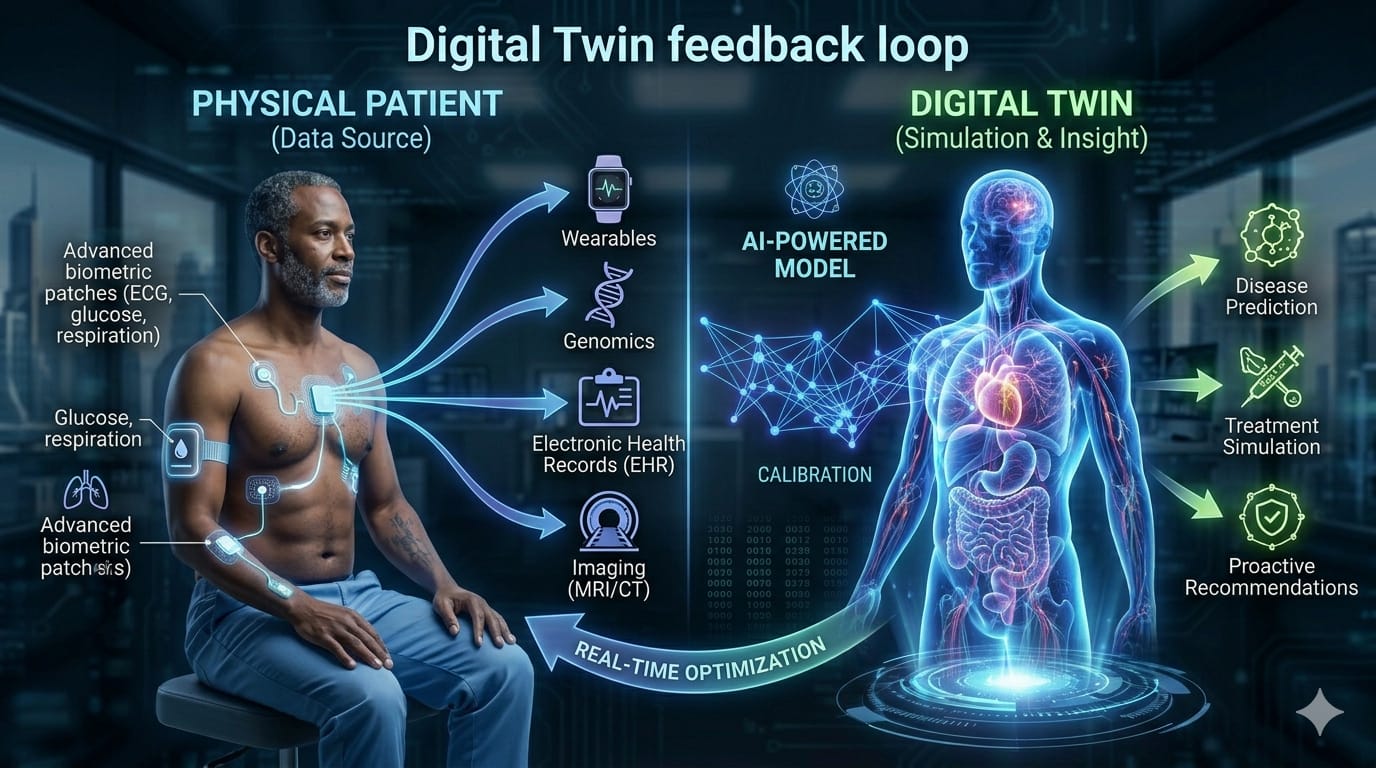
A Digital Twin is a highly complex, AI-driven virtual model of a physical object—in this case, a human being. By using data from your wearable devices, medical imaging (MRI/CT scans), and genetic makeup, AI creates a living, breathing digital replica of your biological systems.
How It Works in Clinical Practice
1. Data Collection: Real-time data from heart monitors, blood tests, and DNA sequencing is fed into an AI model.
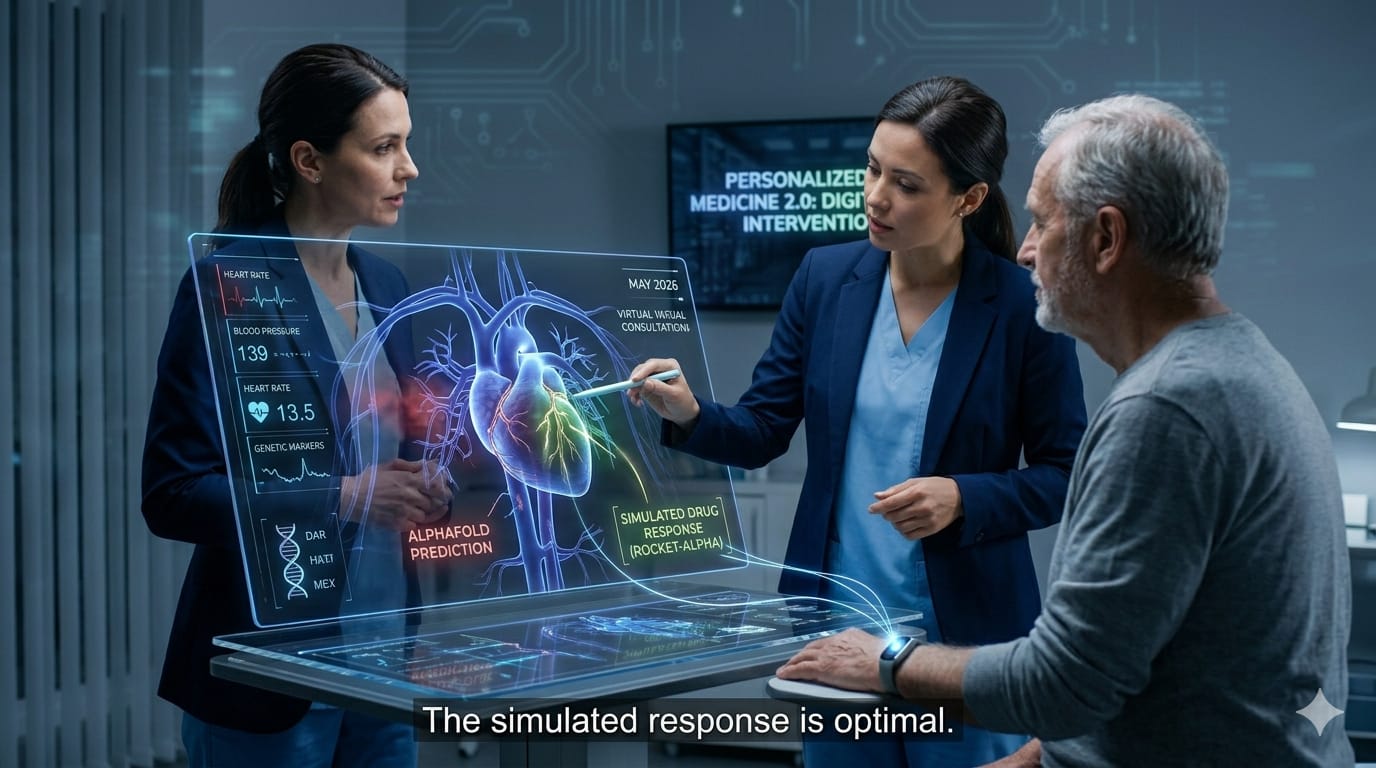
2. Simulation: Doctors can simulate how a specific heart valve will perform or how a tumor will react to a particular chemotherapy dose.
3. Prediction: The Digital Twin can predict potential health risks years before they manifest, allowing for truly preventive care.
The Benefits for Patients and Doctors
Zero Risk Testing: Try different treatments on the digital twin to see which one works best without any side effects for the patient.
Chronic Disease Management: Patients with diabetes or heart conditions can see how lifestyle changes will affect their “virtual self” in real-time.
Surgical Precision: Surgeons can practice a specific patient’s surgery on their digital twin, reducing the chances of complications.
Conclusion:
Digital Twins are more than just a tech trend; they are a shift toward a healthcare system that treats you as an individual, not just a statistic. By merging AI with human biology, we are finally stepping into an era where medicine is as unique as your DNA.