
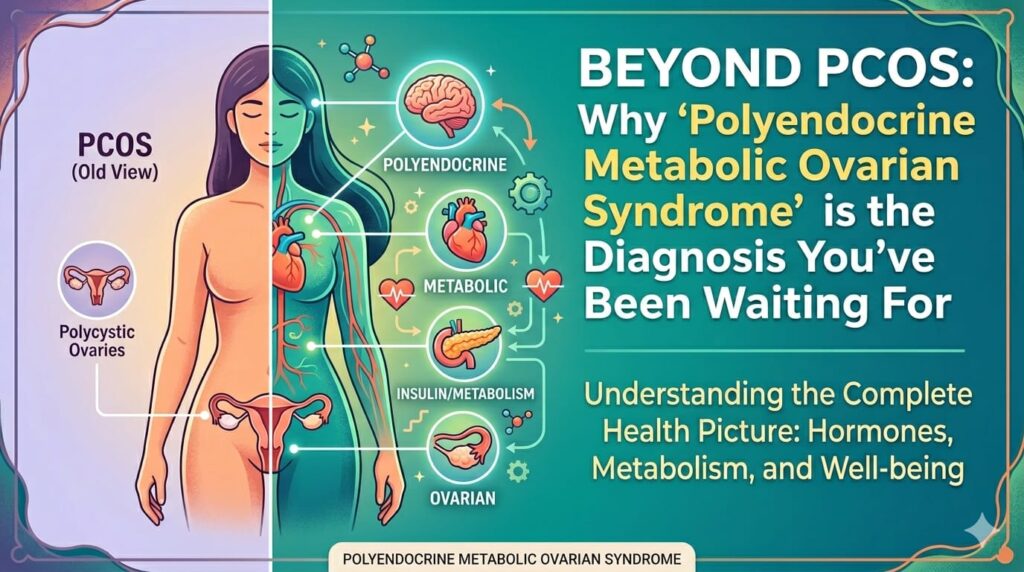

For decades, millions of women have struggled under the label of Polycystic Ovary Syndrome (PCOS). But the medical community is shifting toward a more accurate, inclusive, and descriptive name: Polyendocrine Metabolic Ovarian Syndrome (PMOS). This isn’t just a linguistic tweak; it’s a fundamental shift in how we diagnose and treat a condition affecting a staggering number of women globally.
170,000,000+
WOMEN AFFECTED WORLDWIDE
The Problem with the “PCOS” Label
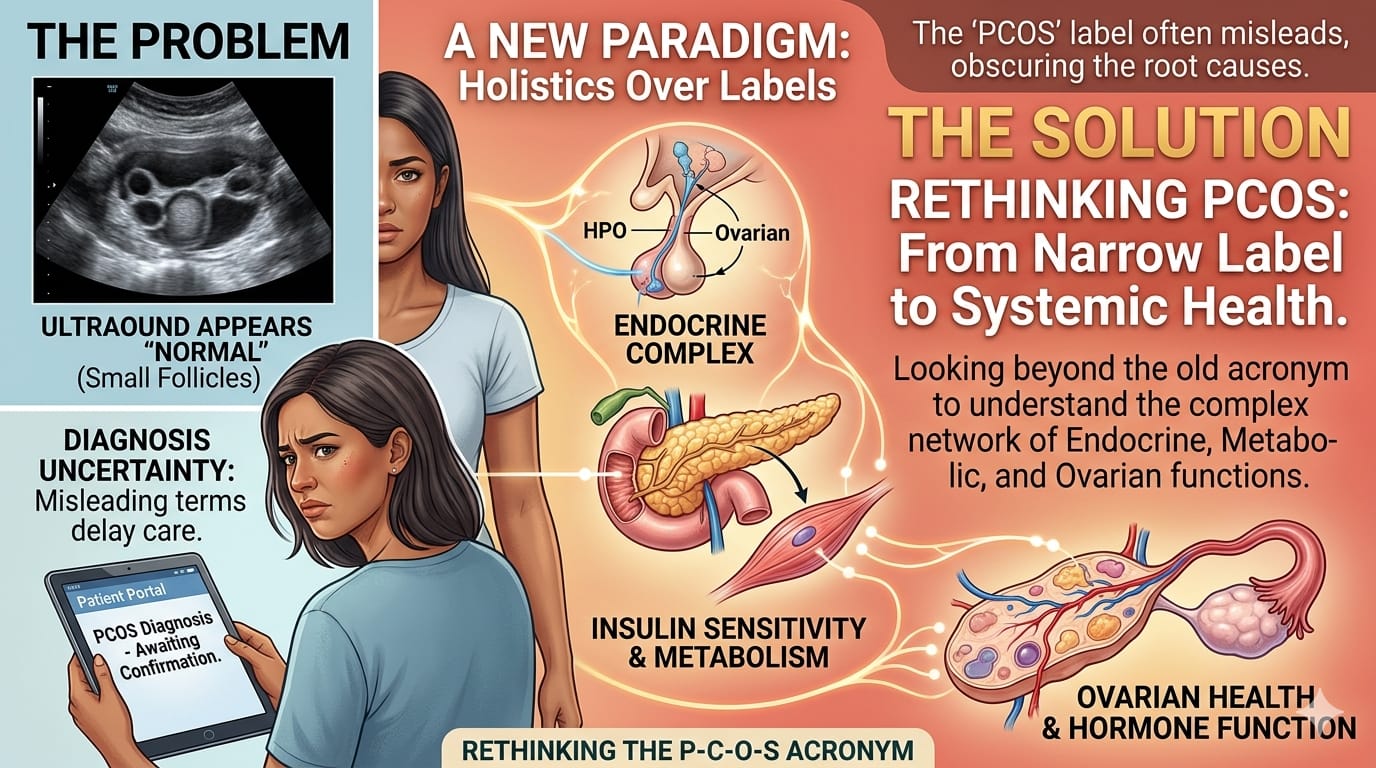
The term “Polycystic Ovary Syndrome” has long been a source of medical confusion for both patients and practitioners :
• Misleading Symptoms: Many women with the condition do not actually have “cysts” on their ovaries. What are often called cysts are actually underdeveloped follicles.
• The Metabolic Gap: The old name focuses entirely on the reproductive system, often ignoring the severe metabolic and endocrine disruptions that define the disorder.
• Diagnosis Delays: Because the name implies an ovarian issue, many patients are misdiagnosed or dismissed if their ultrasounds appear “normal.”
Decoding PMOS: Why the New Name Fits Better
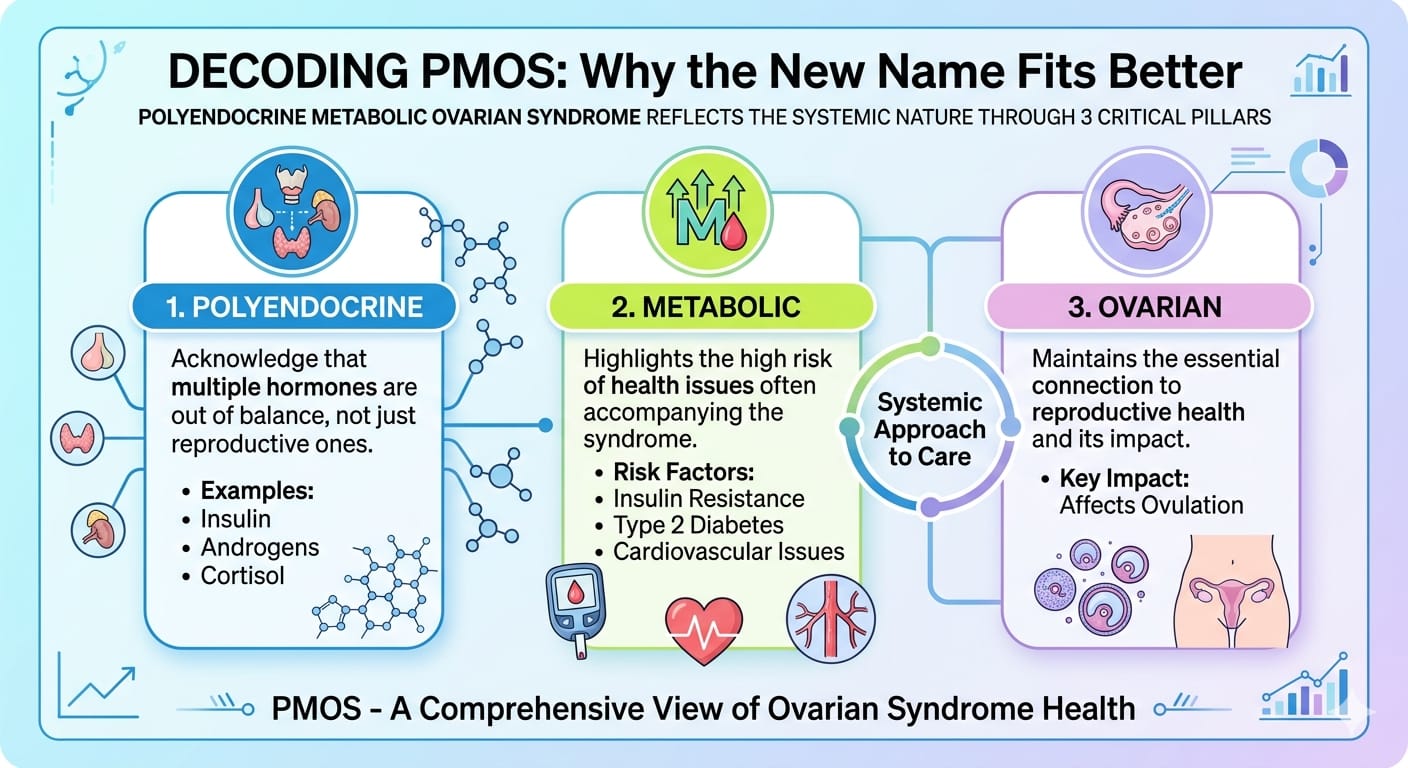
The new terminology, Polyendocrine Metabolic Ovarian Syndrome (PMOS), reflects the systemic nature of the condition through three critical pillars:
1. Polyendocrine – This acknowledges that multiple hormones—including insulin, androgens, and cortisol—are out of balance, rather than just reproductive hormones.
2. Metabolic – This highlights the high risk of insulin resistance, Type 2 diabetes, and cardiovascular issues that often accompany the syndrome.
3. Ovarian – This maintains the essential connection to reproductive health and the impact on ovulation.
Global Impact and Prevalence
Region Estimated Prevalence Primary Barrier to Care
United States 1 in 10 women High cost of specialized metabolic testing
Global South 12-15% of women Lack of diagnostic ultra sound and endocrine screening
Worldwide 170 Million+ Fragmentation between Gynecology and Endocrinology
How PMOS Improves Patient Care
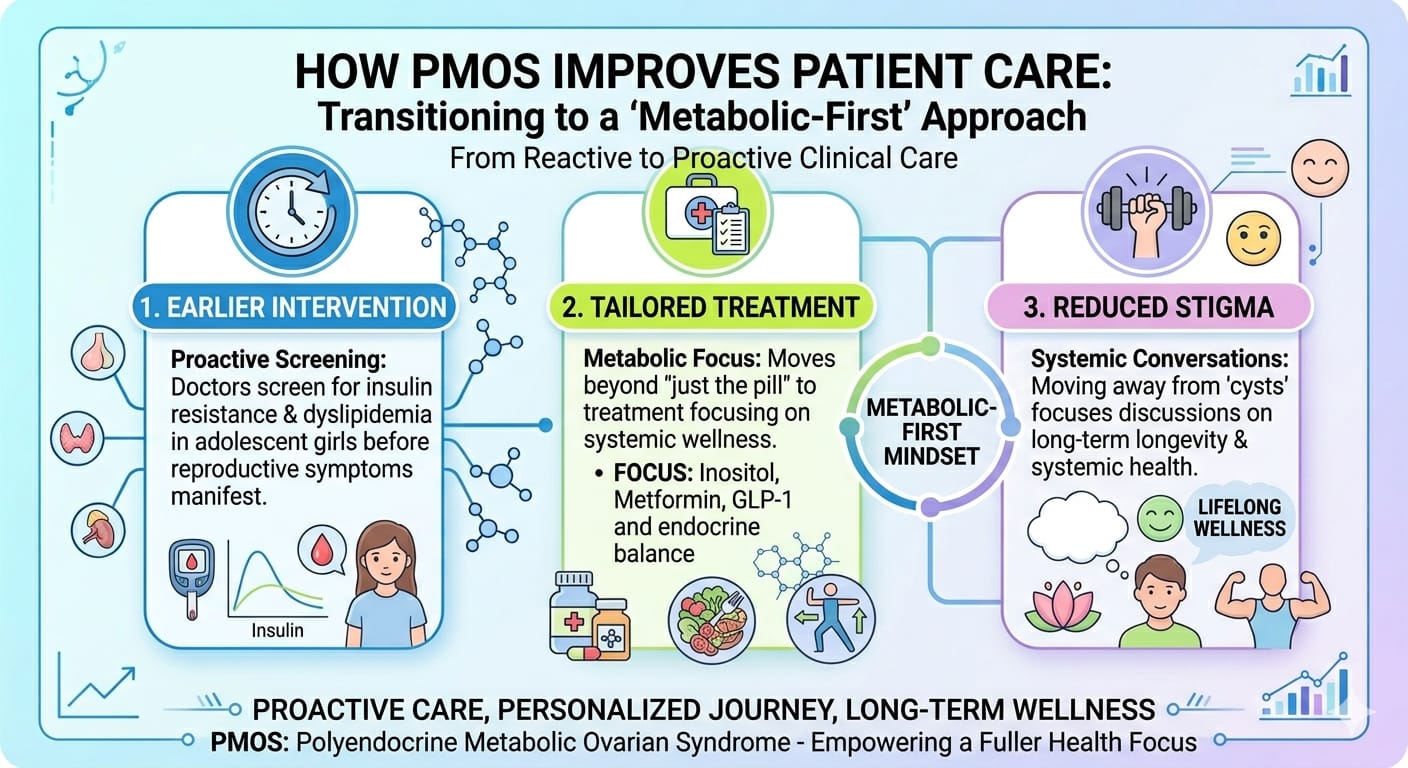
Earlier Intervention: Doctors can screen for insulin resistance and dyslipidemia in adolescent girls before reproductive symptoms manifest.
Tailored Treatment: Treatment moves beyond “just the pill” to focus on metabolic health (Inositol, Metformin, GLP-1) and endocrine balance.
Reduced Stigma: Moving away from “cysts” focuses the conversation on long-term longevity and systemic wellness rather than just fertility.
Key Takeaway:
If you have been struggling with symptoms like irregular cycles, hormonal acne, or unexplained weight gain, the “PMOS” framework may offer the comprehensive answers you’ve been seeking.