
The 2026 Energy Revolution Has Begun
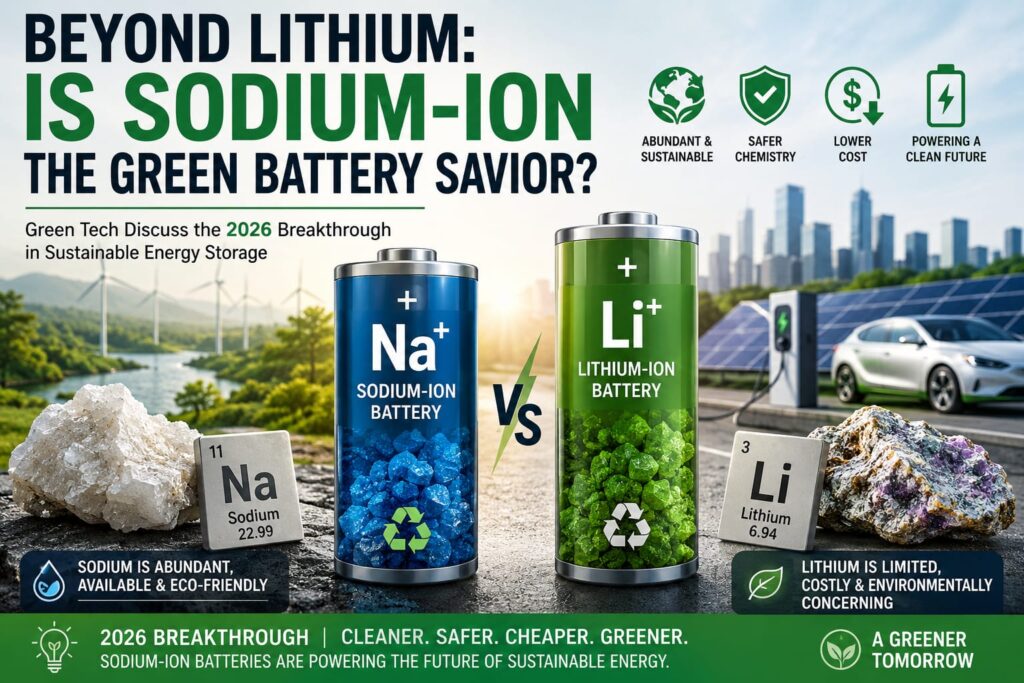
Introduction — For more than three decades, lithium-ion batteries powered the modern world — from smartphones and laptops to electric vehicles and renewable energy grids. But in 2026, the energy industry is witnessing a major shift: sodium-ion batteries are emerging as a cleaner, cheaper, and more sustainable alternative.
Why the World Wants an Alternative to Lithium
Lithium-ion batteries transformed technology, but they come with serious environmental and economic challenges including water-intensive mining, ethical concerns around cobalt extraction, battery fire risks, and unstable supply chains.
What Makes Sodium-Ion Batteries Special?
Sodium-ion batteries operate similarly to lithium-ion batteries, but use sodium ions instead. Sodium is abundant, inexpensive, and can even be extracted from seawater, making it a more sustainable option.
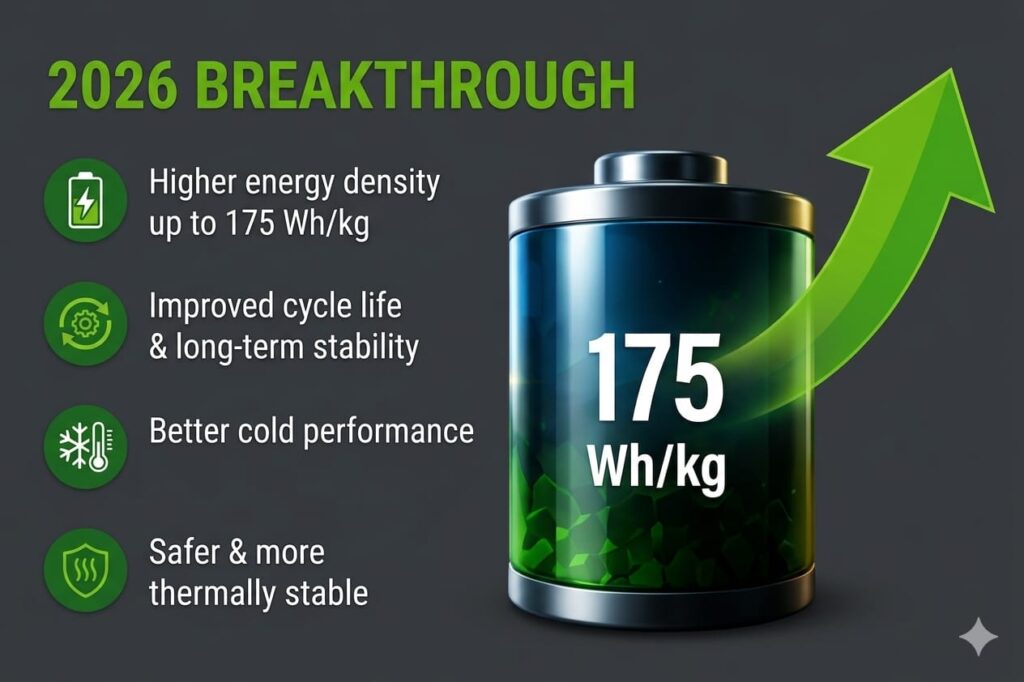
2026 Breakthrough
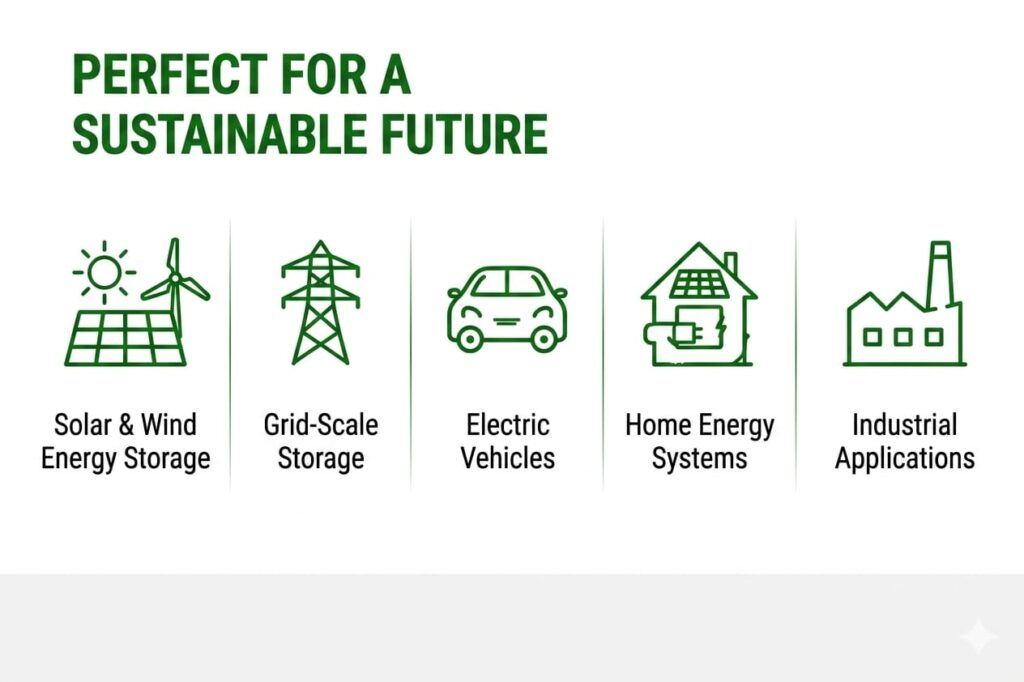
Major companies announced commercial-scale sodium-ion battery production in 2026. Improved energy density, better safety, and reduced costs are accelerating adoption in electric vehicles and renewable energy storage.
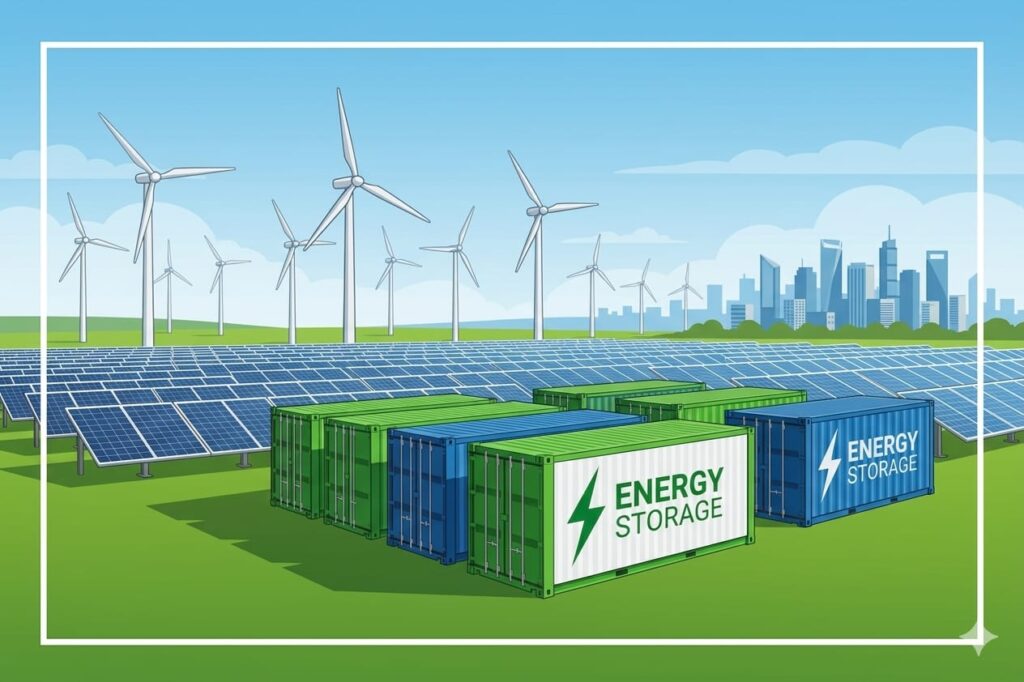
Renewable Energy Revolution
Sodium-ion batteries could transform renewable energy by providing affordable large-scale storage solutions for solar and wind power systems.
Challenges Ahead
Although promising, sodium-ion batteries still face limitations in energy density compared to premium lithium-ion systems. Manufacturing capacity is also still growing globally.
Final Thoughts
Sodium-ion technology is becoming one of the most exciting green-tech innovations of the decade. Instead of replacing lithium entirely, it may work alongside it to create a cleaner and more sustainable energy future.
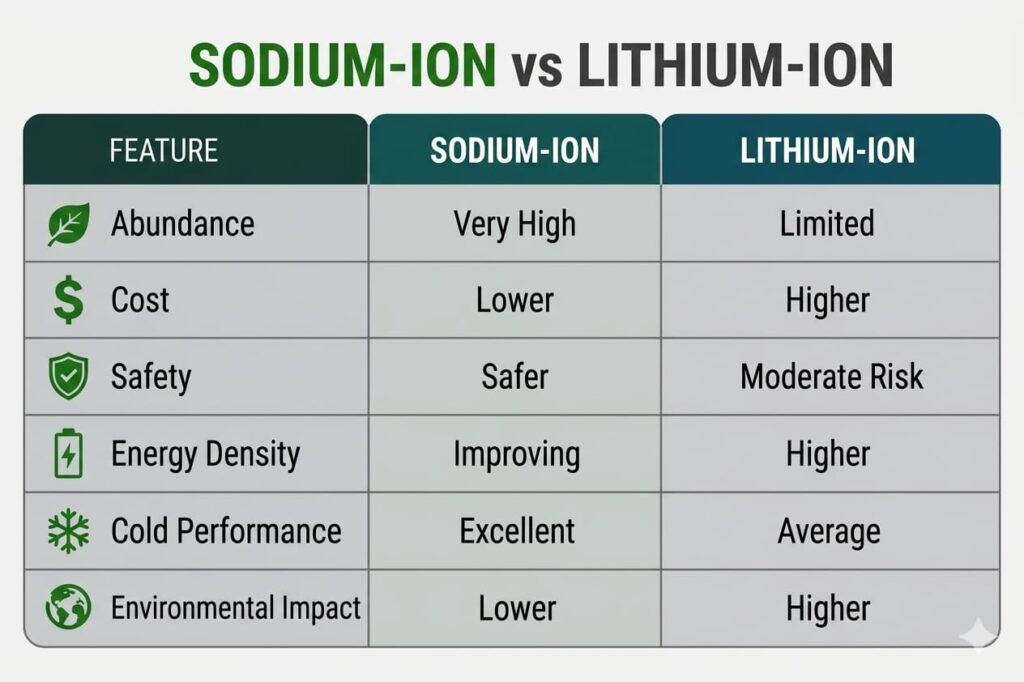
Comparison Table
| Feature | Lithium-Ion | Sodium-Ion |
| Raw Material Cost | High | Low |
| Availability | Limited | Extremely abundant |
| Fire Safety | Moderate risk | Safer chemistry |
| Cold Weather Performance | Average | Excellent |
| Environmental Impact | Higher | Lower |
Brief Description
his blog explores how sodium-ion batteries are emerging as a sustainable alternative to lithium-ion technology in 2026. It discusses breakthroughs, environmental benefits, renewable energy applications, challenges, and the future of green energy storage.