
Debut Launch Date & Mission Details
The wait is almost over. After months of rumors and technical upgrades, SpaceX has officially set the stage for the maiden voyage of its most ambitious vehicle yet. Starship Version 3 (V3) represents the pinnacle of rapid iterative engineering, aiming to make multi-planetary life a reality.
Launch Countdown
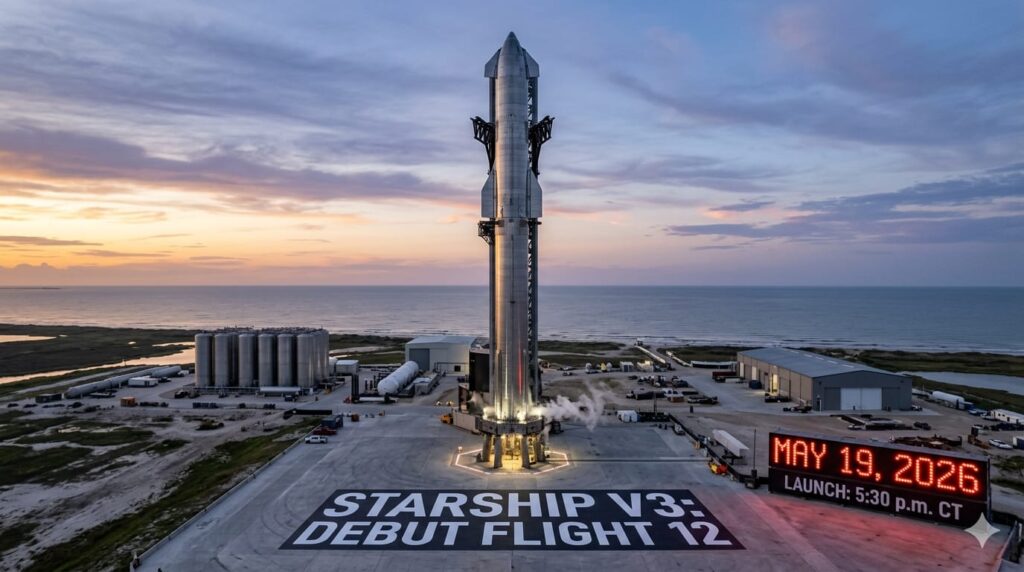
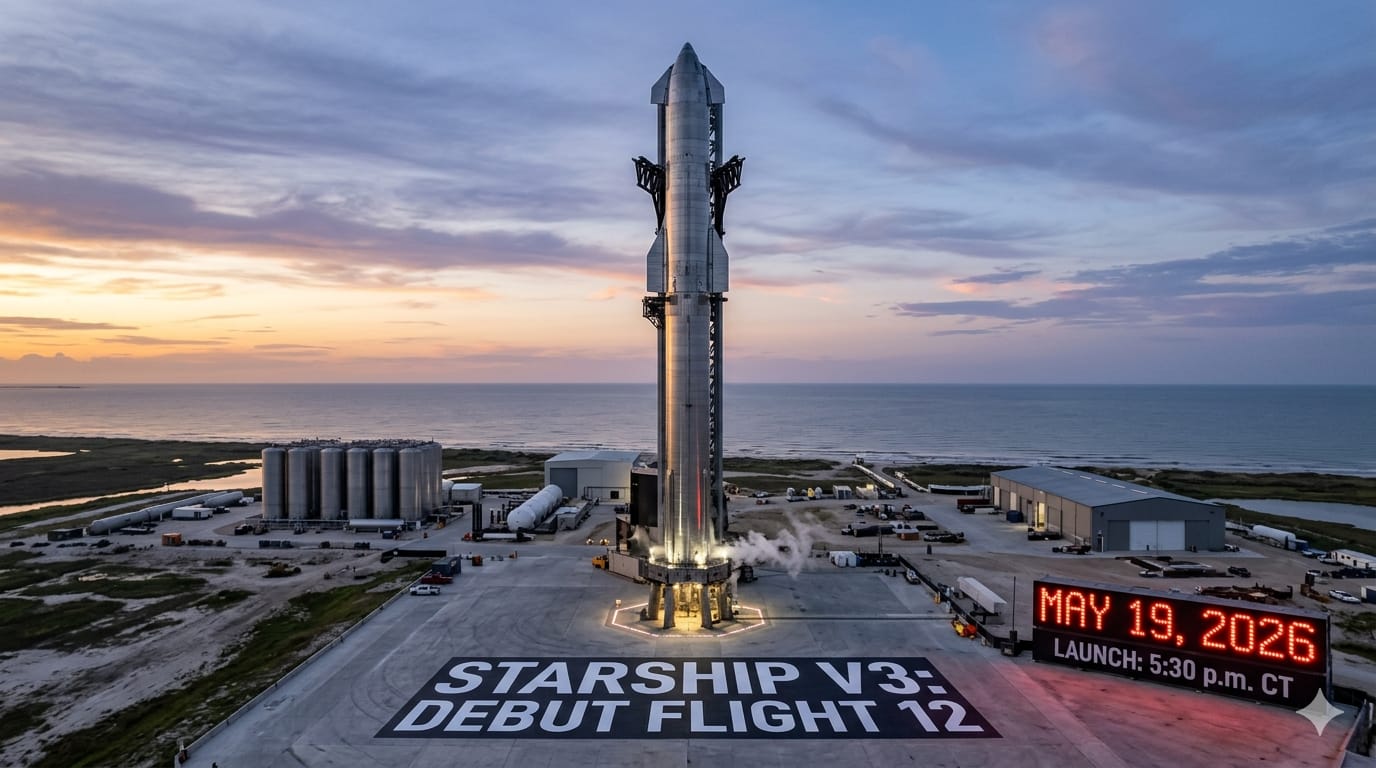
SpaceX is officially targeting Tuesday, May 19, 2026, for the debut launch of Starship Version 3 (V3). This mission, designated as Flight 12 , is set to lift off from the newly completed Launch Pad 2 at Star-base , Texas.
Windows: 5:30 p.m. CT | 6:30 p.m. EDT | 22:30 GMT
Engineering Marvel: What’s New with V3?
If you thought the previous Starship was big, V3 takes it to another level. At approximately 124.4 meters (408 feet) tall, it has officially claimed the title of the tallest rocket ever assembled.
124.4m 33 5,000t
TOTAL HEIGHT RAPTOR 3 ENGINES PROPELLANT MASS
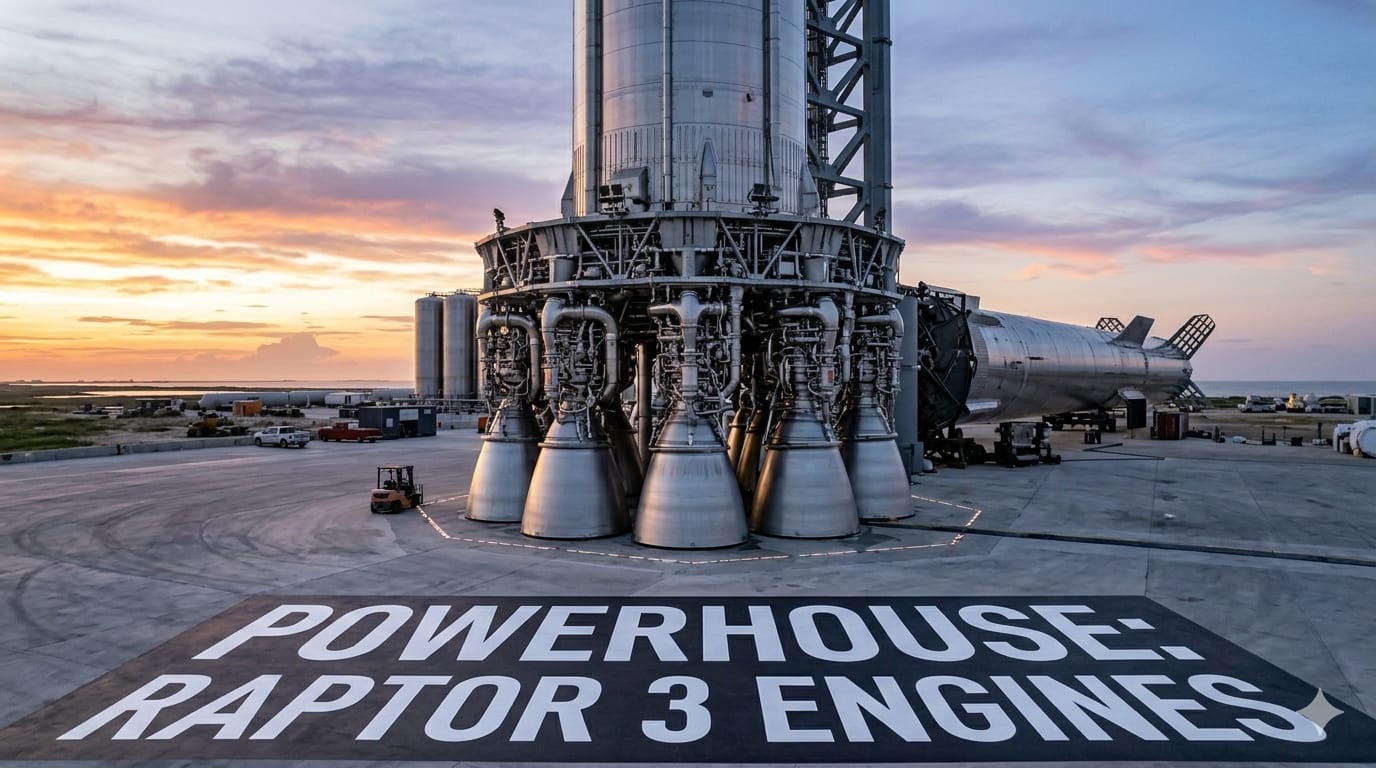
Raptor 3 Engines : Next-gen engines that are lighter, more powerful, and streamlined. By integrating sensors and plumbing internally, SpaceX has eliminated individual engine shrouds, saving significant mass.
Three Grid Fins: A major departure from V2, the Super Heavy booster now features three massive grid fins. Each fin is 50% larger and stronger to handle aerodynamic loads.
Integrated Hot Stage: Refined staging process with a redesigned ring for improved reliability during high-energy separation.
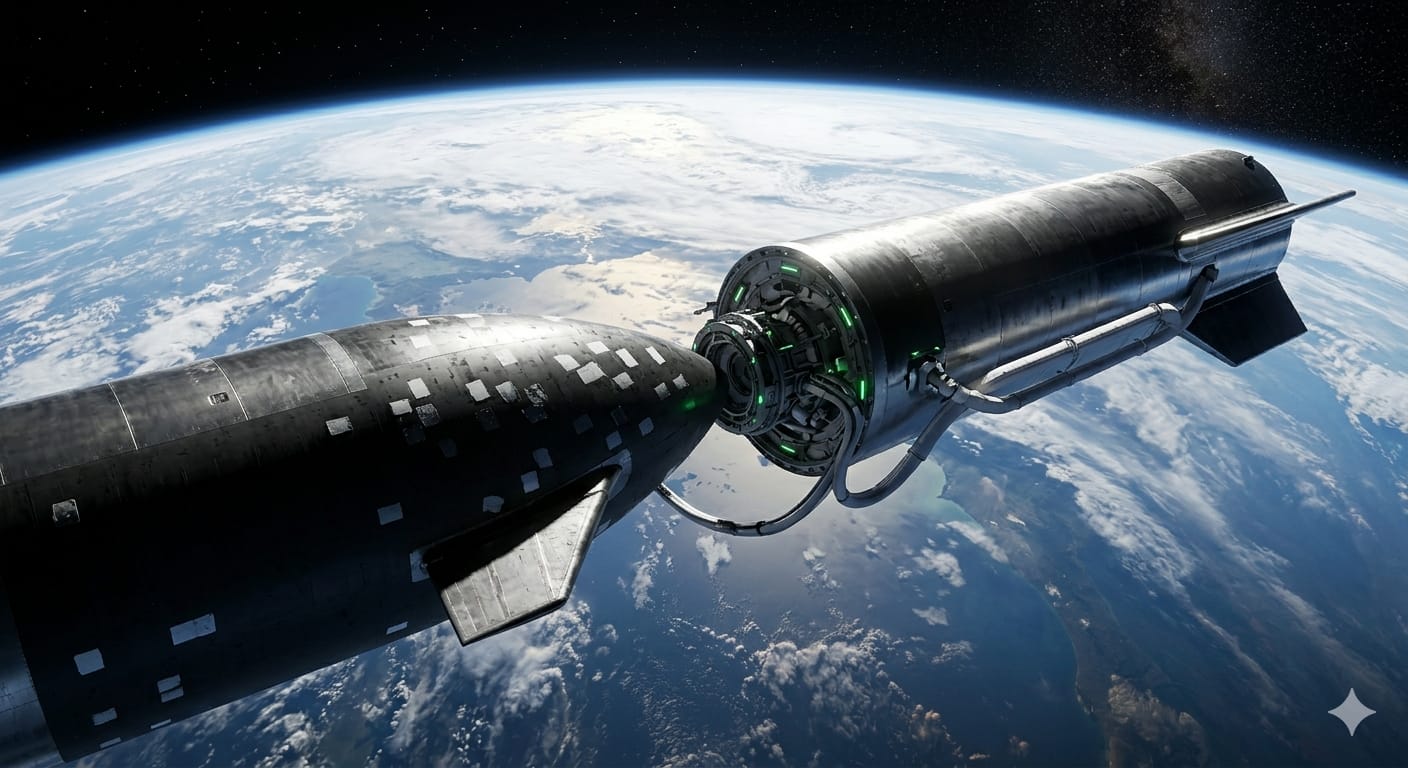
Enhanced Redundancy: Upgraded avionics and high-voltage electrical systems designed to support rapid reuse and in-orbit refueling.
Flight 12: The Mission Profile
SpaceX is keeping the mission profile conservative for Flight 12 to gather critical data on the new hardware architecture.
Ascent & Staging : The 33 Raptor 3 engines will power the stack off Pad 2. Hot-staging will occur roughly three minutes into flight, separating the Ship from the Booster.
The Booster (Booster 19 ) : For this maiden flight, SpaceX will focus on data over recovery. The booster will perform a controlled splashdown in the Gulf of Mexico approximately seven minutes after liftoff.
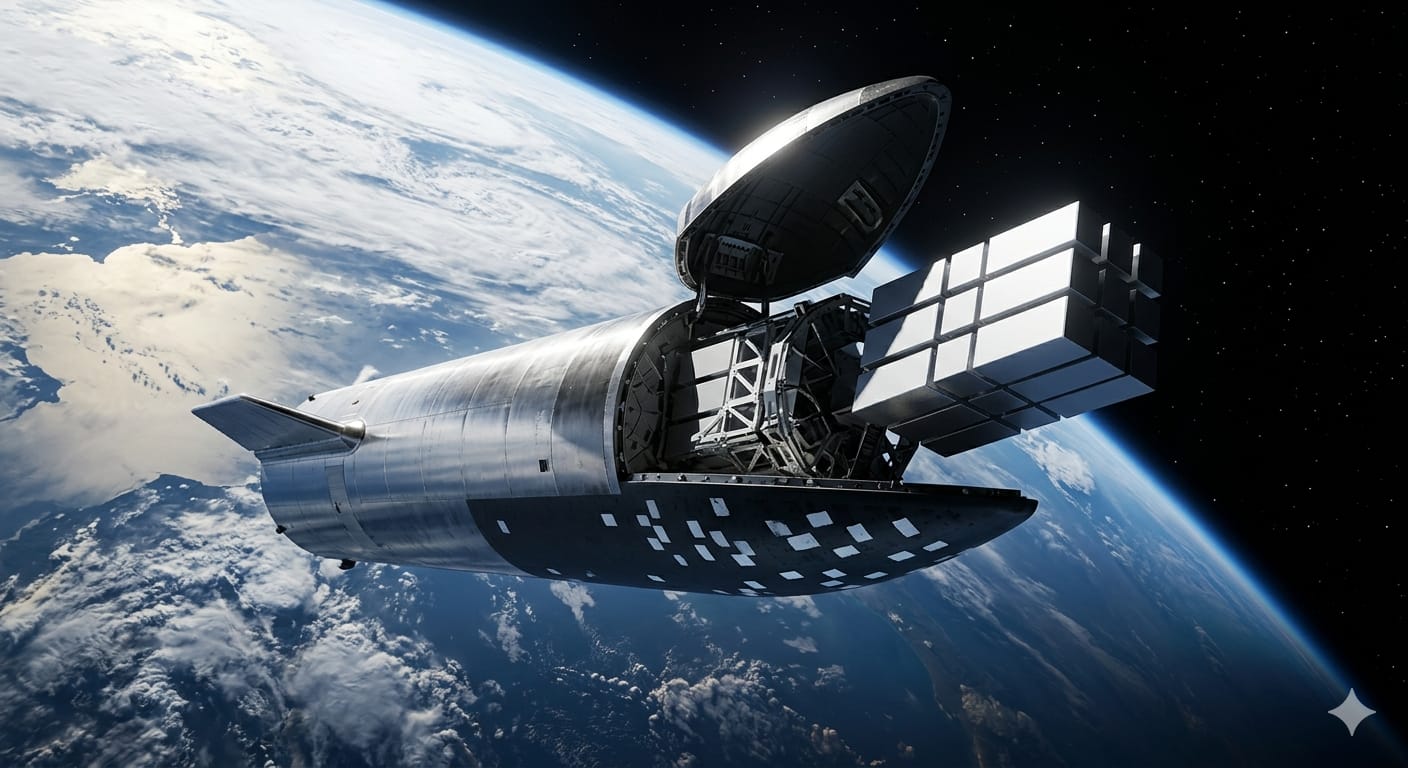
The Ship (Ship 39) : The upper stage will follow a suborbital trajectory. During the coast phase, it will attempt to deploy 22 dummy Star-link satellites to test the new payload door mechanisms.
Re-entry : Ship 39 will test its heat shield—including several intentionally “missing” tiles to stress-test the hull—before aiming for a splashdown in the Indian Ocean.
The Road to Artemis
This isn’t just another test flight; it’s the foundation for NASA’s Artemis III mission. V3 is the first iteration of Starship designed with the structural capacity to handle deep-space propellant transfer —the “gas station in space” concept that will allow humans to return to the lunar surface.